How to Build a Reverse Marketplace MVP in 2026: A Founder’s Guide
Alex
··11 min read
A reverse marketplace flips the traditional model: instead of buyers browsing available services, providers compete to fulfill a posted request. This model accelerates transactions in high-intent scenarios, especially where speed, specificity, or cost efficiency are critical.
Quick Answer: A reverse marketplace MVP is a lean version of a platform where buyers submit requests and service providers bid to fulfill them. Unlike standard marketplaces, demand is initiated by the buyer, creating a competitive supply response that drives better pricing and faster matches — ideal for service-based verticals like logistics, home improvement, or B2B procurement.
In 2026, this model gains traction in niche industries where personalized service and dynamic pricing matter. Founders can leverage this structure to reduce customer acquisition costs and increase conversion by aligning supply directly with active demand. As digital trust and real-time bidding tools evolve, building a reverse marketplace MVP becomes more accessible — even without technical expertise. This guide walks through validation, core features, and launch strategy, with insights from Shipkit’s work on service marketplace MVP development. For deeper technical planning, refer to our guide on how to write a SaaS PRD for founders in 2026.
Understanding Reverse Marketplaces vs. Traditional Two-Sided Platforms
The fundamental difference between reverse marketplaces and traditional two-sided platforms lies in who drives demand and how transactions unfold. In standard models like Airbnb or Uber, suppliers list offerings first—homes, rides, freelance gigs—and buyers browse and select. The supply is static; the buyer’s role is reactive. A reverse marketplace flips this dynamic: buyers post what they need, and sellers compete to fulfill it. This inversion reshapes user behavior, platform mechanics, and value delivery.
User Roles Flipped: Buyers as Demand Posters
Here, buyers take control by submitting specific requests—such as “design a SaaS landing page” or “haul 5 pallets from Chicago to Dallas.” Sellers then review these inbound demands and submit bids or proposals. This model thrives when needs are customized, time-sensitive, or complex. Upwork exemplifies this structure, where clients post unique projects in software development or design, and providers respond with tailored offers for review.
Transaction Flow in a Reverse Model
The lifecycle begins with a buyer submitting a request with details like scope, budget, and timeline. Sellers are notified or discover the listing, then respond with bids, timelines, and pricing. The buyer evaluates proposals, selects a provider, and the platform facilitates communication, payment, and fulfillment. Once the job is complete and approved, funds are released—often through escrow or managed payouts. This flow prioritizes buyer intent, reducing discovery friction and increasing conversion.
Best Niches for Reverse Models in 2026
Reverse dynamics excel in verticals where demand is episodic and highly variable. B2B procurement, home improvement services, logistics, and specialized freelance work are ideal. These sectors benefit from competitive pricing and faster matches driven by active buyer signals. As vertical marketplace development focuses on specificity, reverse models offer a lean path to differentiation without needing massive network effects upfront. For founders building a reverse marketplace MVP, this means faster validation and lower customer acquisition costs compared to broad, supply-first platforms.
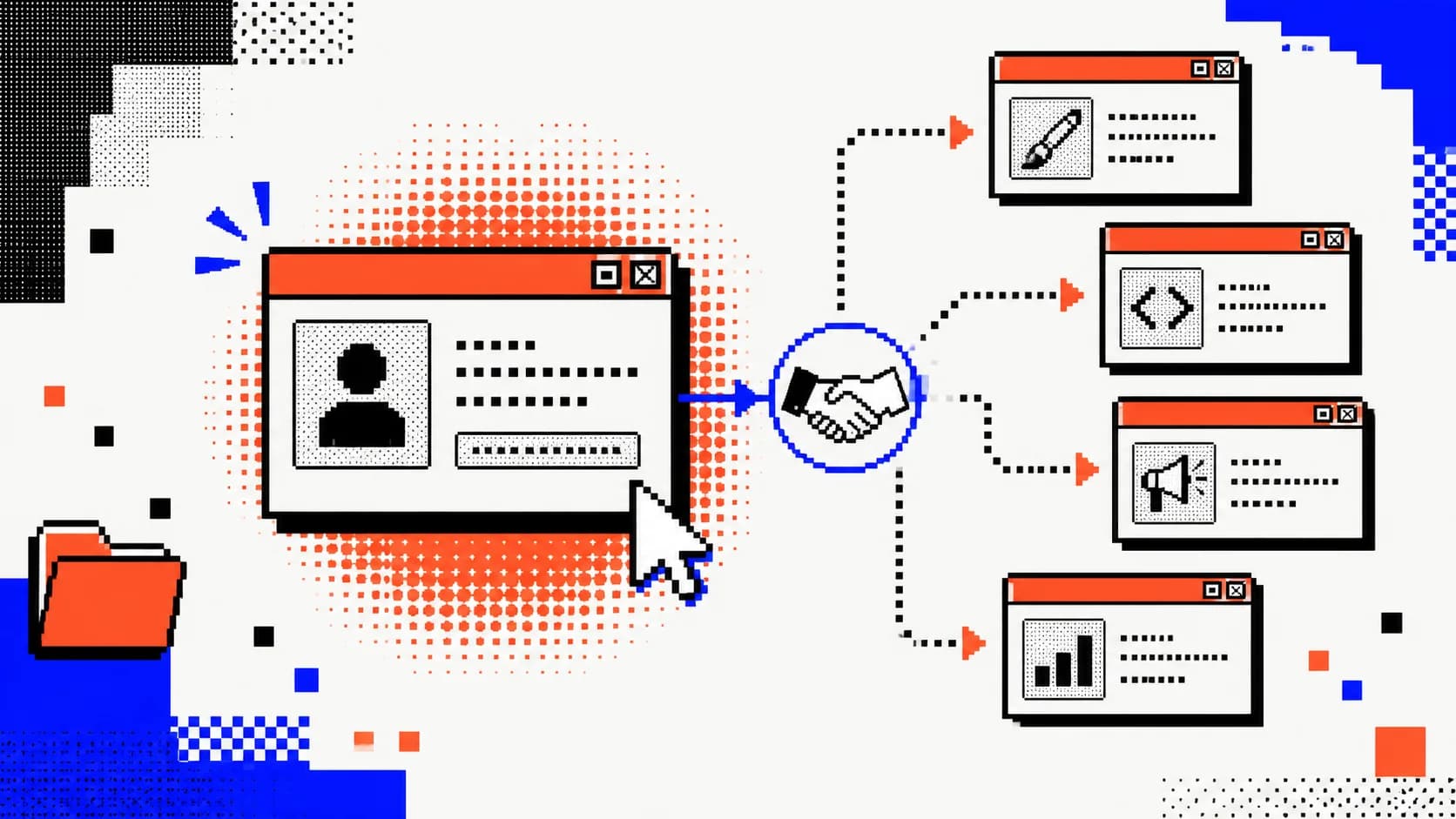
In a reverse marketplace, demand initiates the flow — buyers post, sellers compete
Core Features for Your Reverse Marketplace MVP in 2026
Launching a reverse marketplace MVP doesn’t require every bell and whistle—just the core systems that enable the unique buyer-driven flow. The goal is to validate demand and match efficiency with minimal engineering overhead. Focus on features that facilitate request posting, competitive bidding, secure transactions, and trust-building. Below are the essential components, structured to align with user roles and operational control.
Buyer and Seller Portal Essentials
Each side of the marketplace needs a streamlined interface. Buyers must easily submit detailed requests—scope, budget, timeline, attachments—and manage incoming bids. The buyer portal MVP should include notification settings, proposal comparison tools, and approval workflows. Sellers, meanwhile, need a vendor portal and buyer portal MVP access to discover active requests, submit bids with pricing and delivery estimates, and communicate directly. Both profiles should display ratings, response rates, and verified credentials to build early trust.
Admin Dashboard Requirements for Early-Stage Control
Founders need real-time oversight without technical friction. A functional marketplace admin dashboard requirements list includes user verification tools, content moderation, dispute tracking, and basic analytics—like request-to-match conversion rates. This internal control layer allows you to manually resolve issues, tweak visibility, and monitor activity before automating at scale. For deeper guidance on building internal oversight tools, see our full guide to building an admin panel for startup MVPs in 2026.
An effective admin dashboard provides real-time visibility into user behavior and transaction health
Payments, Commissions, and Escrow Logic
Payment flow is where reverse models diverge significantly. Funds are typically collected upfront from the buyer and held in escrow upon provider selection. The platform releases payment only after job completion and buyer approval. This reduces seller risk and aligns incentives. Use Stripe Connect or similar to automate payouts and apply commissions—typically 10–20%—without handling money directly. These payments and commissions for marketplace mvp systems must be transparent, instant, and audit-ready.
Trust & Safety Must-Haves for MVP Launch
Credibility starts at signup. Implement identity verification for providers, collect verified reviews post-completion, and display performance metrics like on-time delivery. Basic fraud detection—such as duplicate account checks and IP monitoring—should be baked in early. These marketplace trust features for startup ensure safety without bloating scope.
Step-by-Step: Building Your Reverse Marketplace MVP in 2026
Launching a reverse marketplace MVP doesn’t require a technical background—just clarity, focus, and a structured approach. For non-technical founders, the path from idea to launch hinges on validating demand early, scoping tightly, and choosing the right development path. Most functional marketplace platforms go live in 8–12 weeks, with more complex models requiring up to 16 weeks depending on compliance or payment logic. The key is momentum: build only what proves your model, then iterate fast.
Phase 1: Problem Validation and Niche Selection
Start by identifying a service where buyers struggle to find reliable providers or where price transparency is low—home repairs, freelance legal work, or specialized consulting are strong candidates. Conduct interviews with at least 20 potential buyers to confirm they’d post requests if a platform existed. Avoid broad categories; instead, narrow your focus (e.g., “HVAC repair for commercial buildings in Texas”). A tight niche reduces competition, accelerates trust-building, and simplifies early marketing. This validation step ensures you’re not building in isolation—refer to our guide on how to validate your startup idea before development for a structured framework.
Phase 2: MVP Feature Prioritization and Scope Definition
Use the “work backwards” method: start with the completed transaction and map backward to the minimum features needed. Your core loop is: buyer posts request → providers bid → buyer selects → payment is held in escrow → service completes → funds release. Everything else is secondary. Prioritize request forms, provider bidding, in-app messaging, and Stripe Connect integration. Defer advanced search, ratings display, or automated matching. This lean approach keeps development fast and budget-controlled—critical when estimating marketplace MVP cost.
Phase 3: Tech Stack and Development Approach
You have three paths: custom build, no-code, or white-label platforms. Custom development offers full control but takes longer and costs more. No-code tools like Bubble (from $29/month) let founders prototype quickly but may require eventual migration. Sharetribe ($99/month) provides marketplace-specific templates but limits customization. For most founders aiming at a production-ready app, partnering with a dev agency that delivers fixed-scope MVPs ensures speed without technical debt. Compare your options using a build vs buy software calculator to evaluate long-term trade-offs.
Phase 4: Onboarding First Users and Launching
Your launch strategy must be manual. Recruit 10–20 provider accounts personally—offer free access or incentives for early participation. Seed the platform with real requests by posting as beta users or partnering with micro-influencers in your niche. Enable direct onboarding via a simple form and provide hand-holding during the first transactions. This concierge approach builds initial liquidity and generates early feedback. Track key signals: request-to-bid ratio, completion rate, and dispute frequency. These inform your marketplace launch checklist for founders before scaling.
Early success depends on manually creating liquidity — not waiting for it to happen
Avoiding Common Pitfalls in Reverse Marketplace Development
Launching a reverse marketplace is deceptively simple in concept—but fraught with execution risks that sink even well-funded startups. Understanding these pitfalls early can mean the difference between traction and shutdown. Below are the most critical missteps we see founders make, based on real-world patterns and failed marketplace launches.
The Liquidity Trap: Why Most Reverse Marketplaces Fail Early
A reverse marketplace collapses without initial liquidity. Unlike traditional platforms where inventory exists upfront, reverse models rely on providers responding to demand that hasn’t yet materialized. This chicken-and-egg problem is fatal if ignored. The solution? Manually curate your supply side. Recruit verified sellers through outreach, offer onboarding incentives, and pre-qualify them to ensure responsiveness. Seed the system with real buyer requests—use beta testers or micro-campaigns to simulate demand. According to CB Insights' analysis of failed startups, 43% of ventures fail due to poor product-market fit, often because they built before validating real user behavior. Avoid this by treating your first 50 transactions as a concierge experiment, not a scaled system.
Over-Engineering the MVP: When Less Is More
Founders often sabotage momentum by adding complex features too soon—real-time chat, AI matching engines, or dynamic pricing algorithms. These create technical debt and delay launch. Your goal is to validate the core transaction loop: request → bid → award → fulfill. A functional, no-frills interface without real-time chat MVP capabilities is sufficient. Focus on clarity, reliability, and user guidance. Strip everything back to what enables trust and completion. You can always layer in sophistication later—once you know what users actually need.
Neglecting Trust and Verification Mechanisms
Users won’t engage with unverified providers or risk payments on an unproven platform. Implementing verified sellers marketplace features—from ID checks to portfolio reviews—is non-negotiable. Pair this with escrow-based payments and clear dispute policies. Transparency builds confidence. For non-technical founders, leveraging a dev partner that embeds these systems natively—like secure authentication and user roles—ensures safety without custom coding.
Frequently Asked Questions About Reverse Marketplace MVPs
How much does it cost to build a reverse marketplace MVP in 2026?
Marketplace MVP cost varies significantly based on approach. Custom development typically ranges from $20,000 to $120,000, depending on feature depth, integrations, and team structure. No-code platforms can reduce initial spend to under $10,000 but may require migration later. For non-technical founders, fixed-price development offers predictability—explore options like fixed-price MVP packages to avoid scope creep.
How long does it take to launch a reverse marketplace MVP?
Expect 8–16 weeks for a production-ready reverse marketplace MVP. Discovery and specification take 2–3 weeks, followed by 6–10 weeks of development and testing. Timeline depends on team velocity, not complexity—clarity accelerates build speed.
Do I need real-time chat in my MVP?
No. Asynchronous messaging via email or forms is sufficient for v1. Focus on enabling the core loop: request, bid, award, fulfill. Real-time chat adds technical overhead and can be deferred to v2.
How do I attract the first sellers to my reverse platform?
Manually recruit providers in niche communities related to your service category. Offer onboarding incentives and highlight early-mover advantages. Treat your first sellers like partners, not just supply.
Can I use no-code tools to build a reverse marketplace?
Yes—platforms like Bubble or Sharetribe support basic marketplace logic, but adapting them for reverse flows (buyer posts, sellers bid) requires workarounds. Scalability and payment handling often become limiting.
What revenue models work best for reverse marketplaces?
Commission fees are most common—51% of top marketplaces rely on them, averaging around 12.4%. Subscriptions add predictability; listing fees can deter low-quality bids. Start simple, then test hybrid models as volume grows.
Final Steps to Launch Your Reverse Marketplace MVP in 2026
Close the loop: finalize your reverse marketplace MVP by stress-testing the core flow—request, bid, award, fulfill—with real users. Polish only what blocks functionality; perfection waits for v2. A lean launch beats endless refinement, especially when validating demand. Use a clear startup app development estimate checklist to align scope, timeline, and budget before development. For founders without technical partners, accelerating execution with a trusted team like Shipkit ensures a production-ready platform built to scale—so you can focus on growth, not code.
Article FAQ
Practical next steps
Who is this MVP guide for?
This guide is written for non-technical founders, operators, and small teams who need to make product decisions before hiring a full engineering team. It focuses on practical scope, cost, timeline, and execution trade-offs rather than abstract startup theory.
What should I do after reading this article?
Turn the idea into a small decision: validate the riskiest assumption, estimate the build scope, and decide whether the first version should be no-code, custom code, or a hybrid. Shipkit's free estimate and MVP scope builder can help you translate the article into a concrete plan.
Can Shipkit help implement this kind of product?
Yes. Shipkit helps founders turn validated ideas into fixed-scope MVPs, SaaS products, internal tools, marketplaces, and AI-enabled workflows. The best starting point is to get an estimate or compare your build path before committing budget.