How to Write a SaaS PRD for Founders in 2026: A Step-by-Step Guide
Alex
··11 min read
A clear Product Requirements Document (PRD) is no longer optional for early-stage SaaS founders—it's the foundation that aligns vision with execution. Without technical expertise, translating an idea into a functional app can quickly devolve into miscommunication, cost overruns, and product drift. A well-structured PRD acts as your strategic blueprint, ensuring everyone involved—from designers to developers—understands exactly what needs to be built and why.
Quick Answer: To write a PRD for your first SaaS, start by defining the core problem and target user, then outline key features, user flows, and success metrics in plain language. Focus on what the product should do, not how it’s built—this keeps the scope clear for non-technical founders and development teams alike.
This guide walks you through each step of crafting a practical, actionable PRD in 2026, helping you answer critical founder questions before hiring developers and turning your idea into a well-scoped app. For founders weighing their options, our guide on building a startup without a technical cofounder offers additional context on navigating early development.
Define the Vision and Scope Before Writing Your PRD
Before drafting a single line of your PRD, align on the core vision and boundaries of your product. For non-technical founders, this clarity isn’t just helpful—it’s essential to avoid costly missteps and ensure your development effort solves a real market need.
Start with the Problem, Not the Solution
Founders often jump to features before validating the underlying problem. Yet 42% of startups fail because they build something nobody wants. Instead, begin by articulating the specific pain point your SaaS addresses and who experiences it most acutely. Frame your PRD around why the product exists, not just what it does. This focus increases the odds of achieving product-market fit and keeps development rooted in user value.
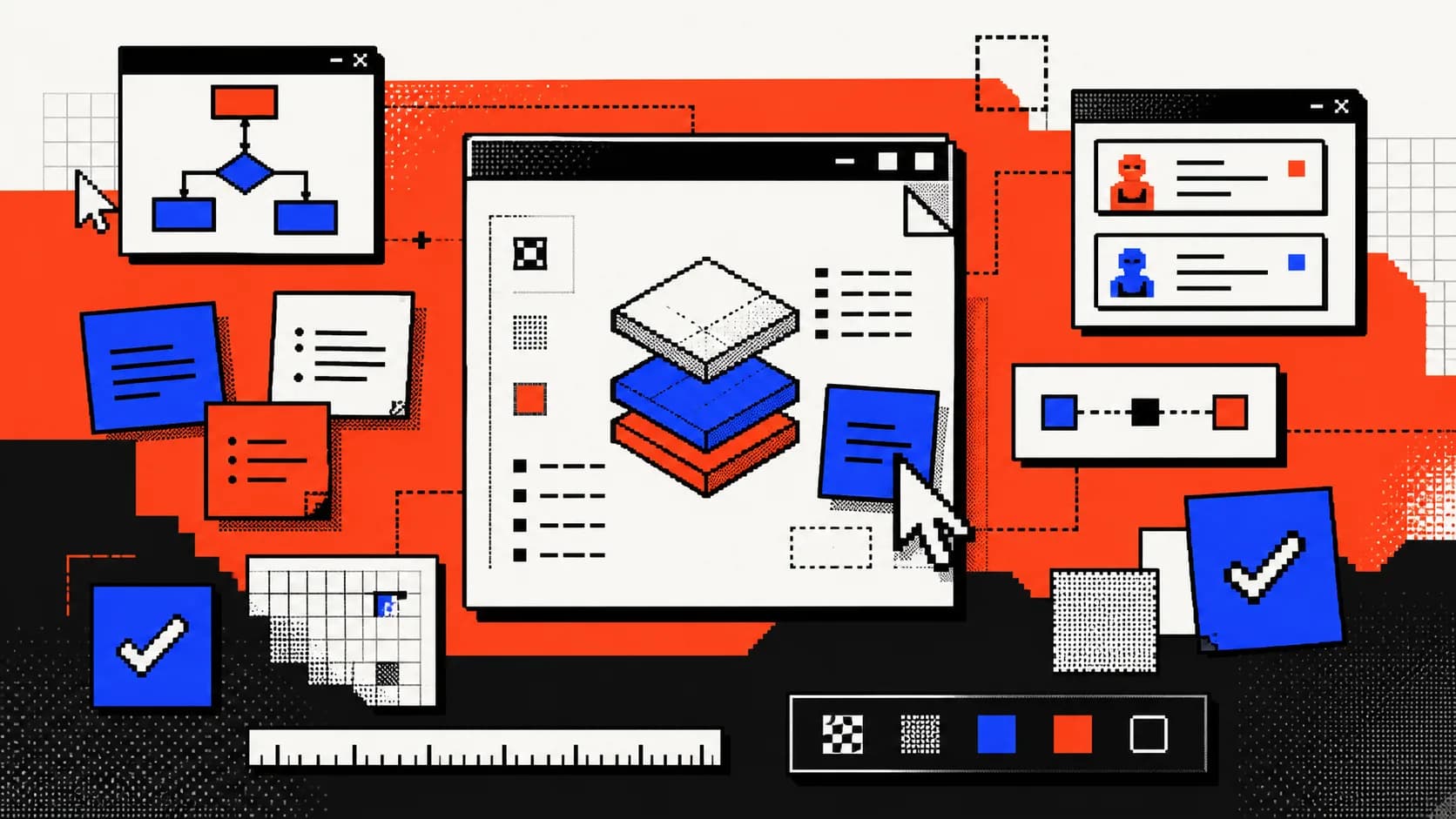
Clarity begins with vision — define the problem before designing the solution
Use Landing Page Tests to Validate Demand
You don’t need a working product to test demand. A targeted landing page with a clear value proposition and call-to-action can gauge interest before writing code. Dropbox famously grew sign-ups from 5,000 to 75,000 overnight using only a demo video—no functional app. This approach helps prioritize features in your PRD based on real user intent. For a strategic framework, see our guide on validating your startup idea before development.
Set Boundaries: What’s In and Out of Scope for V1
Early-stage development demands ruthless prioritization. Define what’s essential for your MVP and explicitly state what’s deferred. Cutting non-critical features reduces complexity, accelerates launch, and lowers cost. Ask: “What’s the minimum needed to solve the core problem?” This discipline shapes a focused PRD and prevents scope creep—a leading cause of budget overruns.
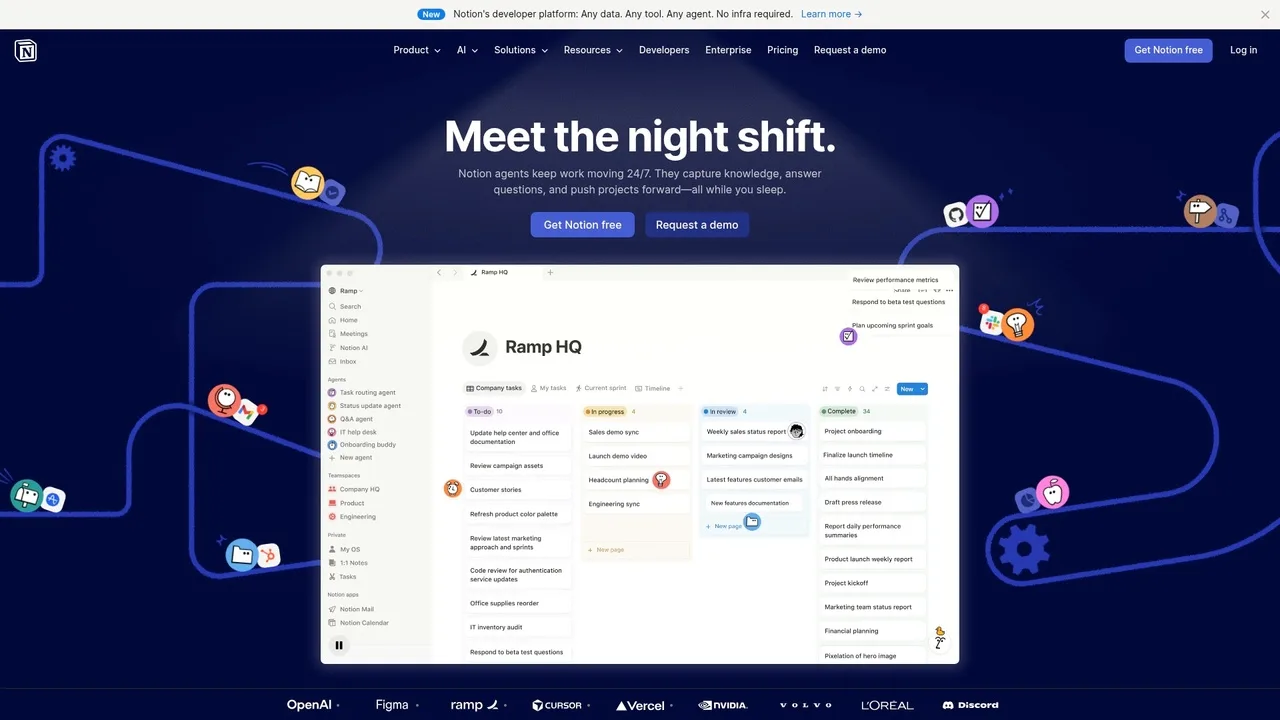
Use collaborative tools like Notion to define and share scope boundaries clearly with your team
Structure Your SaaS PRD with Key Components
A well-structured PRD turns vision into actionable plans—especially when you’re not technical. For founders building a SaaS product in 2026, clarity in documentation directly impacts development speed, cost control, and alignment with user needs. Below are the essential components to include, designed for simplicity and effectiveness.
Product Overview and Goals
Start with a concise statement of purpose: what problem are you solving, and for whom? Define the product vision in one sentence, then outline 2–3 measurable goals (e.g., “Achieve 1,000 sign-ups in first month” or “Reduce user task time by 50%”). These guide every decision in the PRD and help evaluate success post-launch.
Target Users and Personas
Even without extensive data, create basic personas using early interviews or market research. Include role, pain points, motivations, and tech familiarity. For example, “Marketing Mia,” a solo founder managing multiple tools, needs automation but lacks coding skills. This keeps the team focused on real user needs, not assumptions.
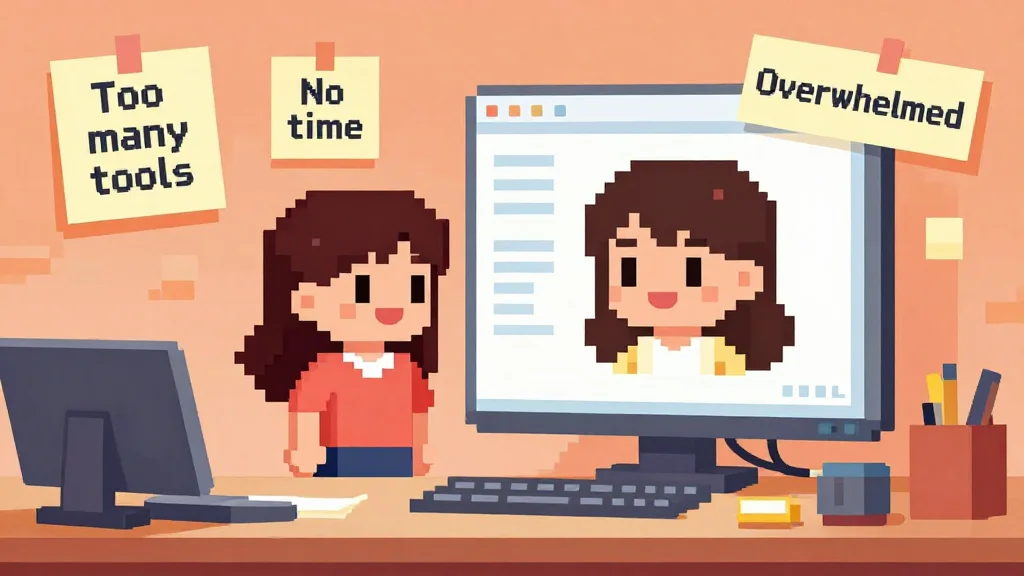
Personas like 'Marketing Mia' keep your PRD user-centered and grounded in real pain points
Core Features and Functional Requirements
List features essential to your first release. Use an MVP feature prioritization framework like MoSCoW (Must have, Should have, Could have, Won’t have) to separate critical functionality from nice-to-haves. According to product teams at leading companies, MoSCoW is ideal for releases with tight timelines and limited resources. Focus on defining the core workflow for MVP—the shortest path from onboarding to value delivery.
Technical and Integration Requirements
Specify key systems your app must connect to, such as Stripe for payments or Google OAuth for login. You don’t need to write code—just state needs clearly. For instance: “Users must sign up via email or Google.” Reference our practical guide to authentication and user roles for MVPs to ensure security and scalability from day one.
User Experience and Onboarding Flow
Map the key user journey: from landing on the app to completing the first meaningful action. Document each step, screen, and decision point. A smooth onboarding experience is often what makes a good first release stand out. Keep it simple, intuitive, and goal-oriented to drive early adoption.
Leverage Manual-First Strategies to De-Risk Development
Before investing in full automation, test your SaaS concept with a manual-first approach. This method—often called a concierge MVP—lets founders simulate the end-to-end user experience without writing a single line of code. By handling core workflows manually, you validate demand, refine processes, and reduce costly pivots later in development. Founders who lead validation directly gain deeper customer insight than any survey or mockup can provide. Think of it as a manual-first MVP before automation, where real interactions replace hypothetical features.
Run a Concierge MVP to Test Core Assumptions
Act as the “backend” for your product. If you’re building a scheduling tool, manually coordinate meetings via email. For a lead-gen platform, curate and deliver prospects by hand. This hands-on process reveals pain points in your workflow and confirms whether users find value in the solution. A typical concierge MVP runs for 2 to 6 weeks with part-time founder effort, serving 3 to 10 paying customers. The goal isn’t scalability—it’s learning. As one founder demonstrated, DemandWell operated as a spreadsheet-powered service for 18 months, pre-selling annual contracts and refining its model before any code was written.
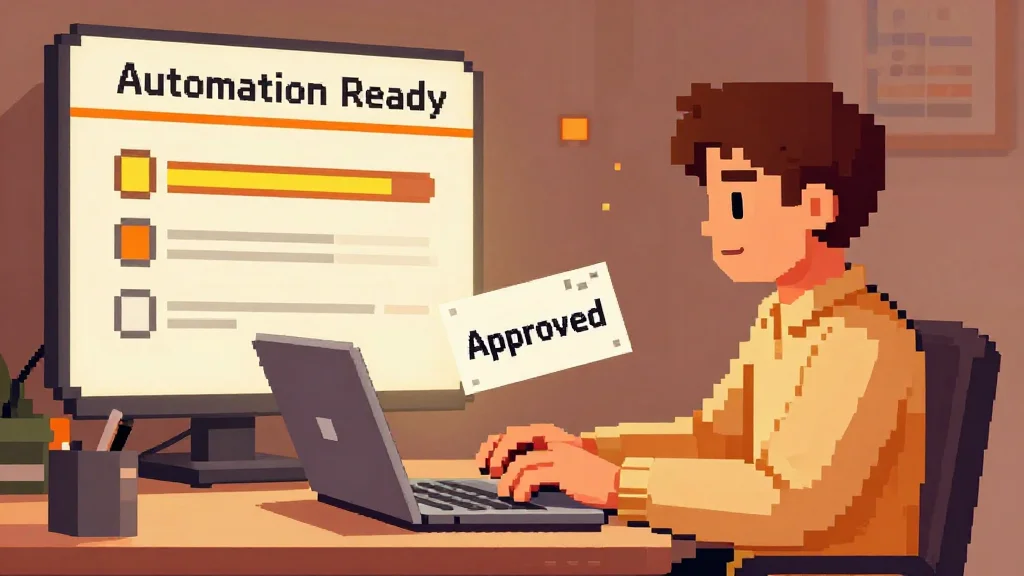
The concierge MVP: validate demand manually before automating workflows
Document Learnings in the PRD's Assumptions Section
Every insight from manual testing should feed directly into your PRD. Create an Assumptions section that outlines what you’ve validated (e.g., “Users will pay $49/month for curated leads”) and what remains unproven. This becomes a living checklist for engineering, ensuring that development focuses on automating proven workflows—not guesses. According to startup failure analysis from 2026, 67% of founders who use structured reflection catch validation failures early enough to pivot successfully.
Transition from Manual to Automated: When to Build
The trigger to build is simple: when manual work becomes repetitive and time-intensive enough that automation delivers clear ROI. At that point, your PRD shifts from validation tool to execution blueprint. You’ll know you’re ready when onboarding a new customer feels like executing a repeatable script—this is the foundation for your core workflow in the SaaS product. For guidance on turning these validated workflows into technical specs, see our practical guide to validating startup ideas before development.
Collaborate Effectively: From PRD to Development Handoff
A PRD isn’t just a document—it’s your primary communication channel between vision and execution, especially when working with external designers, developers, or technical partners. For non-technical founders, clarity here replaces coding expertise. The goal isn’t perfection on day one, but alignment: ensuring everyone interprets your product’s purpose, scope, and constraints the same way.
Share the PRD in Stages: Design, Then Engineering
Begin by sharing the PRD with your design team before engineering begins. This phased approach ensures user flows, interface logic, and core interactions are validated visually and functionally, reducing costly rework later. Designers can flag ambiguities in workflows or edge cases you hadn’t considered—especially around user onboarding or navigation. Once the design is stable, hand it off to engineers alongside the PRD, now enriched with visual context. This sequence mirrors how you’d answer founder questions to answer before hiring developers: first, what are we building? Then, how?
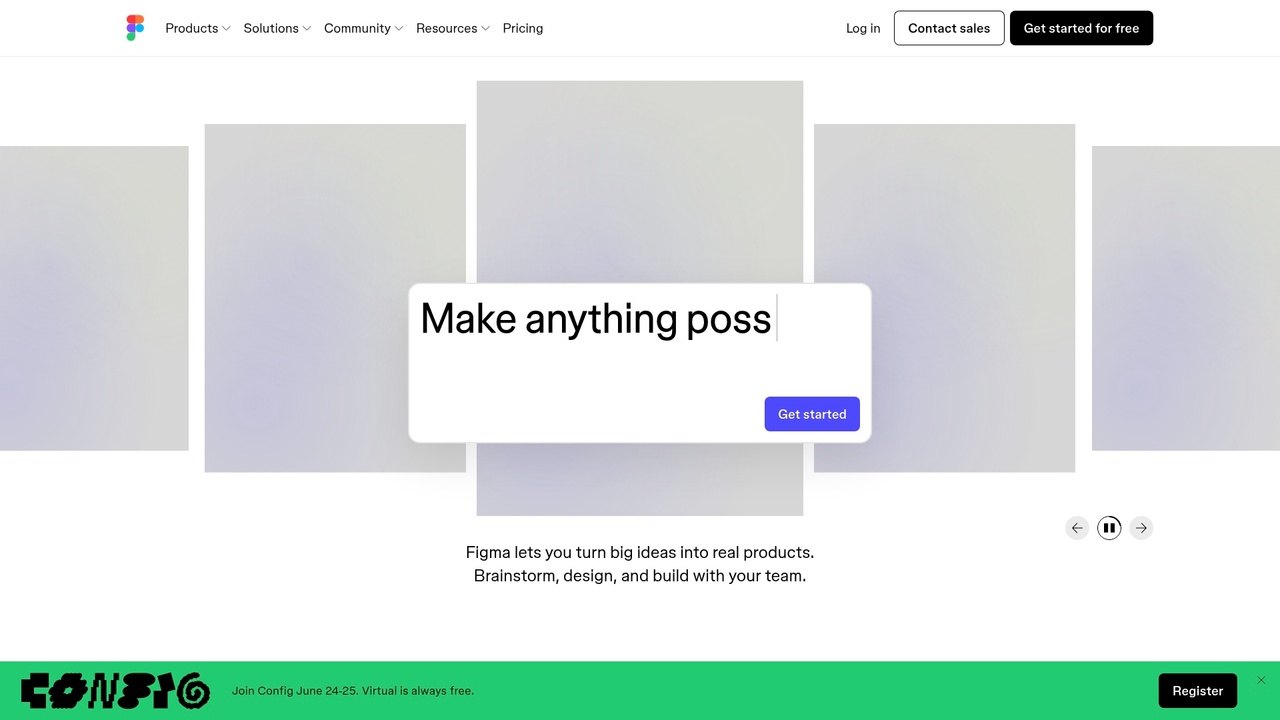
Share your PRD alongside Figma prototypes to align design and engineering teams early
Clarify Risks, Open Questions, and Dependencies
Every PRD should explicitly call out unresolved elements. List technical dependencies (e.g., third-party API availability), regulatory constraints, or integrations still in negotiation. Also document open questions—like whether a real-time notification system is feasible within your timeline. Being transparent about uncertainty helps developers assess risk and avoid overpromising. It also supports startup idea validation before development by preserving flexibility where assumptions remain untested.
Use the PRD as a Communication Tool, Not a Bible
Treat your PRD as a living document. As feedback emerges from prototypes or early users, update it—then communicate changes clearly. Engineers don’t expect rigidity; they expect consistency in vision. When used this way, the PRD becomes a shared source of truth, not a static contract. For founders learning how to write a PRD for your first SaaS, this adaptability is often the difference between momentum and misalignment.
Common PRD Questions for First-Time Founders
Who should write the PRD for a startup’s first SaaS?
You, the founder, own the PRD—even if you’re not technical. While consultants or product managers can help structure it, the vision, scope, and user understanding must come from you. Think of it as your blueprint for turning an idea into app scope without relying on a technical co-founder. This document reflects your accountability for the product’s direction, ensuring developers build what you intend, not what they assume.
How detailed should a PRD be for an MVP?
Be precise, not exhaustive. Focus on core workflows and essential features—what solves the primary user problem. Avoid over-engineering edge cases or pixel-perfect UI specs. Instead, define what to cut from version one to preserve agility. A lean PRD reduces noise, accelerates feedback, and aligns with startup idea validation before development. You’re not documenting a finished product; you’re scoping a learning vehicle.
Can I use a template for my first PRD?
Yes, but treat templates as starting points, not final answers. Many founders begin with a product requirements doc for non-technical founders from resources like How to Build a SaaS Product with Lovable. Customize it heavily based on real user insights and your unique value proposition. A generic template won’t capture your riskiest assumptions or integration needs.
What tools should I use to write and share my PRD?
Use collaborative tools like Notion, Coda, or Google Docs. They support real-time feedback, version history, and embedded visuals—critical for clarity. Notion’s Plus plan starts at $10/user/month, and Coda offers free tiers ideal for early-stage founders according to a 2026 pricing comparison. Choose one that allows structured sections and easy sharing with developers or stakeholders.
How do I know if my PRD is ready for development?
Your PRD is ready when: the problem is validated, scope is bounded, core user journey is mapped, and key risks are documented. Use a checklist like the Startup App Development Estimate Checklist to confirm alignment. If you can’t explain the “why” behind each feature, keep refining.
Final Steps: From PRD to Your First SaaS Launch in 2026
With a clear, well-scoped PRD in hand, you're no longer just pitching an idea—you're leading a product. The document you’ve crafted defines what makes a good first release: focused functionality, validated assumptions, and a direct path to user value. This is how to write a PRD for your first SaaS that developers can execute and stakeholders can trust. Now, shift from planning to action. Share your PRD with a trusted partner or development team, like those experienced in turning founder visions into production-ready apps—without needing a technical co-founder. Use the Startup App Development Estimate Checklist to align on timeline and scope. By 2026, speed and clarity separate launched products from endless ideation. Yours is ready to ship.
Article FAQ
Practical next steps
Who is this startup guide for?
This guide is written for non-technical founders, operators, and small teams who need to make product decisions before hiring a full engineering team. It focuses on practical scope, cost, timeline, and execution trade-offs rather than abstract startup theory.
What should I do after reading this article?
Turn the idea into a small decision: validate the riskiest assumption, estimate the build scope, and decide whether the first version should be no-code, custom code, or a hybrid. Shipkit's free estimate and MVP scope builder can help you translate the article into a concrete plan.
Can Shipkit help implement this kind of product?
Yes. Shipkit helps founders turn validated ideas into fixed-scope MVPs, SaaS products, internal tools, marketplaces, and AI-enabled workflows. The best starting point is to get an estimate or compare your build path before committing budget.